
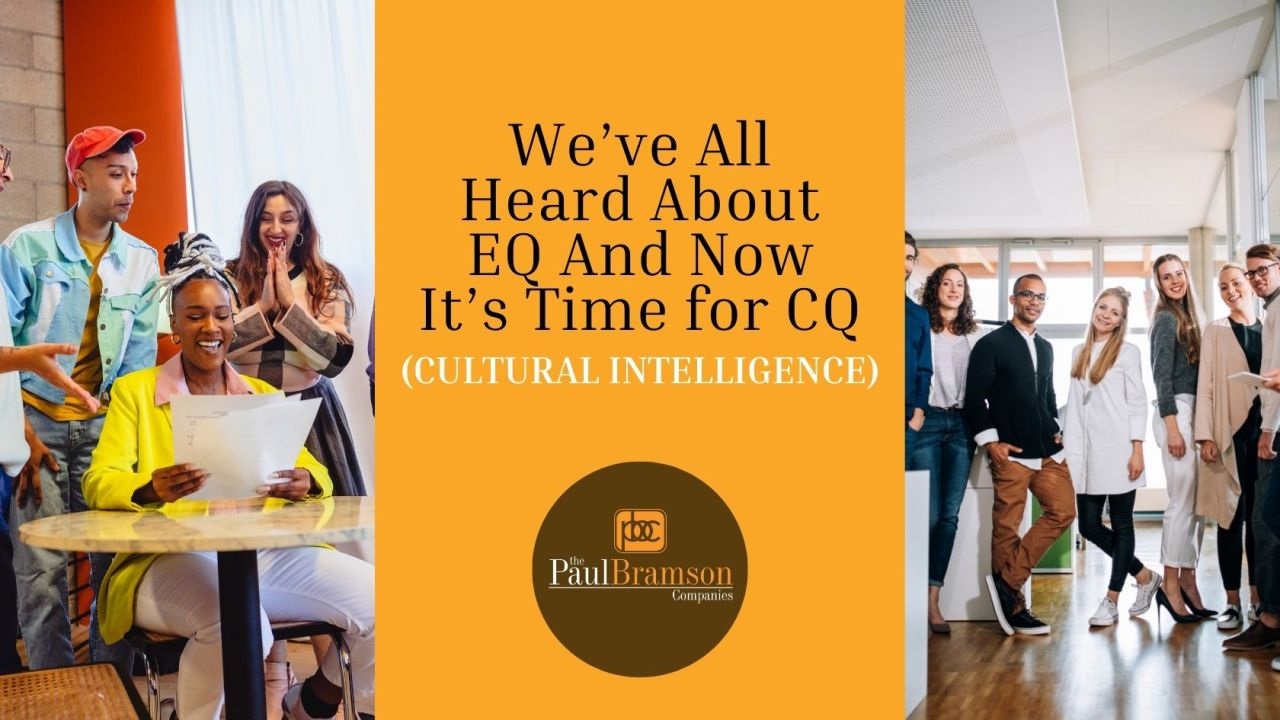
Mastering Emotional Intelligence (EQ) has always been integral to a healthy company culture though it has been talked about much more in recent years. Now, as we move into 2024 and an even further globalized time, it’s time to spotlight another indispensable facet—Cultural Intelligence (CQ).
Cultural Intelligence (CQ)
1. Understanding Cultural Intelligence
While it initially emerged as a concept to address interactions among people from different national or ethnic backgrounds, it has since evolved to encompass a broader understanding of culture. It’s important to note that this requires a balanced and thoughtful approach. CQ involves the ability to adapt, navigate, and lead in multicultural environments. Think about companies with global work forces and international clients. With an elevated level of CQ, you as a leader can leverage cultural awareness as a strategic asset, fostering a collaborative and inclusive work culture where everyone thrives. You’re building a community of people based on respect, shared vision, and unity.
2. Model for Vision, Purpose, and Company Culture
Leaders play a pivotal role as cultural beacons. Your embodiment of CQ principles sets the tone for the entire organization. Demonstrating respect for diverse perspectives and creating an environment where cultural intelligence is valued and integrated into the company.
3. The Profitability Connection
Research reveals a staggering 750% differential in profits between companies with aligned and mature cultures compared to those that neglect cultural cultivation. Leaders with high CQ contribute significantly to aligning company culture, creating a positive impact on the bottom line.
4. CQ is a Learnable Skill
Fortunately, CQ is a skill that can be learned and developed. Invest in training programs that enhance cultural intelligence among leaders and teams. This investment pays dividends by fostering a harmonious work environment and facilitating better global collaboration.
5. Alignment and Company Success
Organizations with leaders possessing high CQ witness increased alignment, leading to a more mature and resilient culture. This alignment, in turn, propels the company towards success by capitalizing on diverse perspectives, ideas, and approaches. Give your people a reason to stay and continue working their hardest every day. Help them gain as much as you do.
By prioritizing CQ, you cultivate a workplace where diverse cultures are not just acknowledged but embraced, ultimately driving innovation, employee engagement, and, most importantly, sustained profitability.
Looking to prioritize cultural intelligence in your organization? Fill out our contact form to schedule a training session or keynote with Paul.
Paul Bramson is renowned as a powerhouse on keynote stages and in training arenas. He is widely regarded as being one of the most impactful speakers, trainers and C-suite coaches in the world today. Paul is recognized as a leading authority and thought leader in the areas of communication, leadership and sales boasting media mentions in Forbes, Fast Company, Fortune, BuiltIn, Yahoo, and MSN. With an extensive 25-year tenure, Paul has continually ignited and empowered professionals, leaders, and teams across all echelons. His ability to captivate and engage audiences originates from an authentic zeal, unique aptitudes, and an unyielding dedication to professional and personal enhancement. Paul's first book, "Connecting Like A PRO©: Unleash Your Superpower" will be released on June 11, 2025 on Amazon.